By the time Brooke Shields met Michael Jackson
By the time Brooke Shields met Michael Jackson
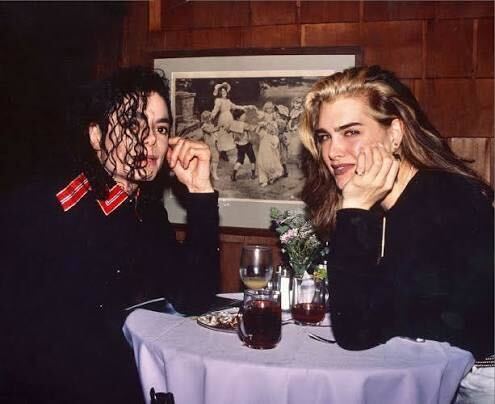
By the time Brooke Shields met Michael Jackson, they had both been famous for longer than they had been people.
She had been on magazine covers before she could read them. He had been on stages before his voice had finished changing. Neither of them had a childhood that belonged to them. They had childhoods that belonged to everyone else: agents, audiences, mothers with plans.
So when they found each other in the early 1980s, the thing they recognized first was not romance. It was the shape of what was missing.
They went to amusement parks after the parks had closed. They wandered Elizabeth Taylor’s house and pretended to be her children. Two grown people, somewhere between famous and feral, playing at the thing they had not been allowed to do the first time around.
The tabloids called it a romance because tabloids only know one word for two people who care about each other. Brooke called it something quieter. She said, years later, that they used to talk about feeling robbed. That the friendship was a way of handing each other back small pieces of what had been taken.
It is hard to know what to call a thing like that. There is no clean word for two people who hold each other’s loneliness without asking it to become something else. In 1994 he married Lisa Marie. In 1996 he married Debbie. Brooke married a tennis player and then a writer. They saw each other when they saw each other. The friendship stayed quiet in the way real things often do.
When he died in 2009, she spoke at his memorial. She did not perform grief. She told a story about Liz Taylor’s house. She told it the way you tell a story about someone who was, for a while, your accomplice in being human.
And then, this is the part that matters: she said nothing else.
No memoir chapter. No documentary sit-down. No exclusive. No “the Michael I knew”. In the seventeen years since, she has been asked, and asked, and asked. She has given a sentence here, a sentence there, and otherwise kept it.
She is sixty now. She has a new show coming out in four days. She writes about getting older. She is in the part of her life where most people in her position have already sold every chapter they have, sometimes twice.
The Michael chapter is still hers.
There is a kind of love that announces itself. There is a kind that is documented, photographed, hashtagged, monetized. And then there is a kind that simply refuses to leave the room it was made in. The kind that two people build privately and then guard privately, long after one of them is gone.
Brooke Shields and Michael Jackson were that last kind. Whatever it was - friendship, romance, something the language has not made a word for yet - it was theirs. It stayed theirs.
In a culture that turns every closeness into content, that is almost a radical act. To have known someone the world will never stop asking about, and to decide, quietly and for decades, that what you had with them is not for sale.
She has not forgotten him. You can tell, when she is asked, by the softness that comes into her face before she says the careful thing she always says.
She just isn’t telling.
Maybe that’s what love is, sometimes. Not the named thing, not the announced, not the labeled - just the language of two people built in a room no one else was in, and one of them keeping it, long after the is gone.
Some love doesn’t need a word.
They just need someone willing to hold them quietly, for as long as it takes.
by Gowtham, for HumansHere
By the time Brooke Shields met Michael Jackson, they had both been famous for longer than they had been people.
She had been on magazine covers before she could read them. He had been on stages before his voice had finished changing. Neither of them had a childhood that belonged to them. They had childhoods that belonged to everyone else: agents, audiences, mothers with plans.
So when they found each other in the early 1980s, the thing they recognized first was not romance. It was the shape of what was missing.
They went to amusement parks after the parks had closed. They wandered Elizabeth Taylor’s house and pretended to be her children. Two grown people, somewhere between famous and feral, playing at the thing they had not been allowed to do the first time around.
The tabloids called it a romance because tabloids only know one word for two people who care about each other. Brooke called it something quieter. She said, years later, that they used to talk about feeling robbed. That the friendship was a way of handing each other back small pieces of what had been taken.
It is hard to know what to call a thing like that. There is no clean word for two people who hold each other’s loneliness without asking it to become something else. In 1994 he married Lisa Marie. In 1996 he married Debbie. Brooke married a tennis player and then a writer. They saw each other when they saw each other. The friendship stayed quiet in the way real things often do.
When he died in 2009, she spoke at his memorial. She did not perform grief. She told a story about Liz Taylor’s house. She told it the way you tell a story about someone who was, for a while, your accomplice in being human.
And then, this is the part that matters: she said nothing else.
No memoir chapter. No documentary sit-down. No exclusive. No “the Michael I knew”. In the seventeen years since, she has been asked, and asked, and asked. She has given a sentence here, a sentence there, and otherwise kept it.
She is sixty now. She has a new show coming out in four days. She writes about getting older. She is in the part of her life where most people in her position have already sold every chapter they have, sometimes twice.
The Michael chapter is still hers.
There is a kind of love that announces itself. There is a kind that is documented, photographed, hashtagged, monetized. And then there is a kind that simply refuses to leave the room it was made in. The kind that two people build privately and then guard privately, long after one of them is gone.
Brooke Shields and Michael Jackson were that last kind. Whatever it was - friendship, romance, something the language has not made a word for yet - it was theirs. It stayed theirs.
In a culture that turns every closeness into content, that is almost a radical act. To have known someone the world will never stop asking about, and to decide, quietly and for decades, that what you had with them is not for sale.
She has not forgotten him. You can tell, when she is asked, by the softness that comes into her face before she says the careful thing she always says.
She just isn’t telling.
Maybe that’s what love is, sometimes. Not the named thing, not the announced, not the labeled - just the language of two people built in a room no one else was in, and one of them keeping it, long after the is gone.
Some love doesn’t need a word.
They just need someone willing to hold them quietly, for as long as it takes.
by Gowtham, for HumansHere
By the time Brooke Shields met Michael Jackson, they had both been famous for longer than they had been people.
She had been on magazine covers before she could read them. He had been on stages before his voice had finished changing. Neither of them had a childhood that belonged to them. They had childhoods that belonged to everyone else: agents, audiences, mothers with plans.
So when they found each other in the early 1980s, the thing they recognized first was not romance. It was the shape of what was missing.
They went to amusement parks after the parks had closed. They wandered Elizabeth Taylor’s house and pretended to be her children. Two grown people, somewhere between famous and feral, playing at the thing they had not been allowed to do the first time around.
The tabloids called it a romance because tabloids only know one word for two people who care about each other. Brooke called it something quieter. She said, years later, that they used to talk about feeling robbed. That the friendship was a way of handing each other back small pieces of what had been taken.
It is hard to know what to call a thing like that. There is no clean word for two people who hold each other’s loneliness without asking it to become something else. In 1994 he married Lisa Marie. In 1996 he married Debbie. Brooke married a tennis player and then a writer. They saw each other when they saw each other. The friendship stayed quiet in the way real things often do.
When he died in 2009, she spoke at his memorial. She did not perform grief. She told a story about Liz Taylor’s house. She told it the way you tell a story about someone who was, for a while, your accomplice in being human.
And then, this is the part that matters: she said nothing else.
No memoir chapter. No documentary sit-down. No exclusive. No “the Michael I knew”. In the seventeen years since, she has been asked, and asked, and asked. She has given a sentence here, a sentence there, and otherwise kept it.
She is sixty now. She has a new show coming out in four days. She writes about getting older. She is in the part of her life where most people in her position have already sold every chapter they have, sometimes twice.
The Michael chapter is still hers.
There is a kind of love that announces itself. There is a kind that is documented, photographed, hashtagged, monetized. And then there is a kind that simply refuses to leave the room it was made in. The kind that two people build privately and then guard privately, long after one of them is gone.
Brooke Shields and Michael Jackson were that last kind. Whatever it was - friendship, romance, something the language has not made a word for yet - it was theirs. It stayed theirs.
In a culture that turns every closeness into content, that is almost a radical act. To have known someone the world will never stop asking about, and to decide, quietly and for decades, that what you had with them is not for sale.
She has not forgotten him. You can tell, when she is asked, by the softness that comes into her face before she says the careful thing she always says.
She just isn’t telling.
Maybe that’s what love is, sometimes. Not the named thing, not the announced, not the labeled - just the language of two people built in a room no one else was in, and one of them keeping it, long after the is gone.
Some love doesn’t need a word.
They just need someone willing to hold them quietly, for as long as it takes.
by Gowtham, for HumansHere