The first time Amrita Pritam saw Sahir Ludhianvi
The first time Amrita Pritam saw Sahir Ludhianvi
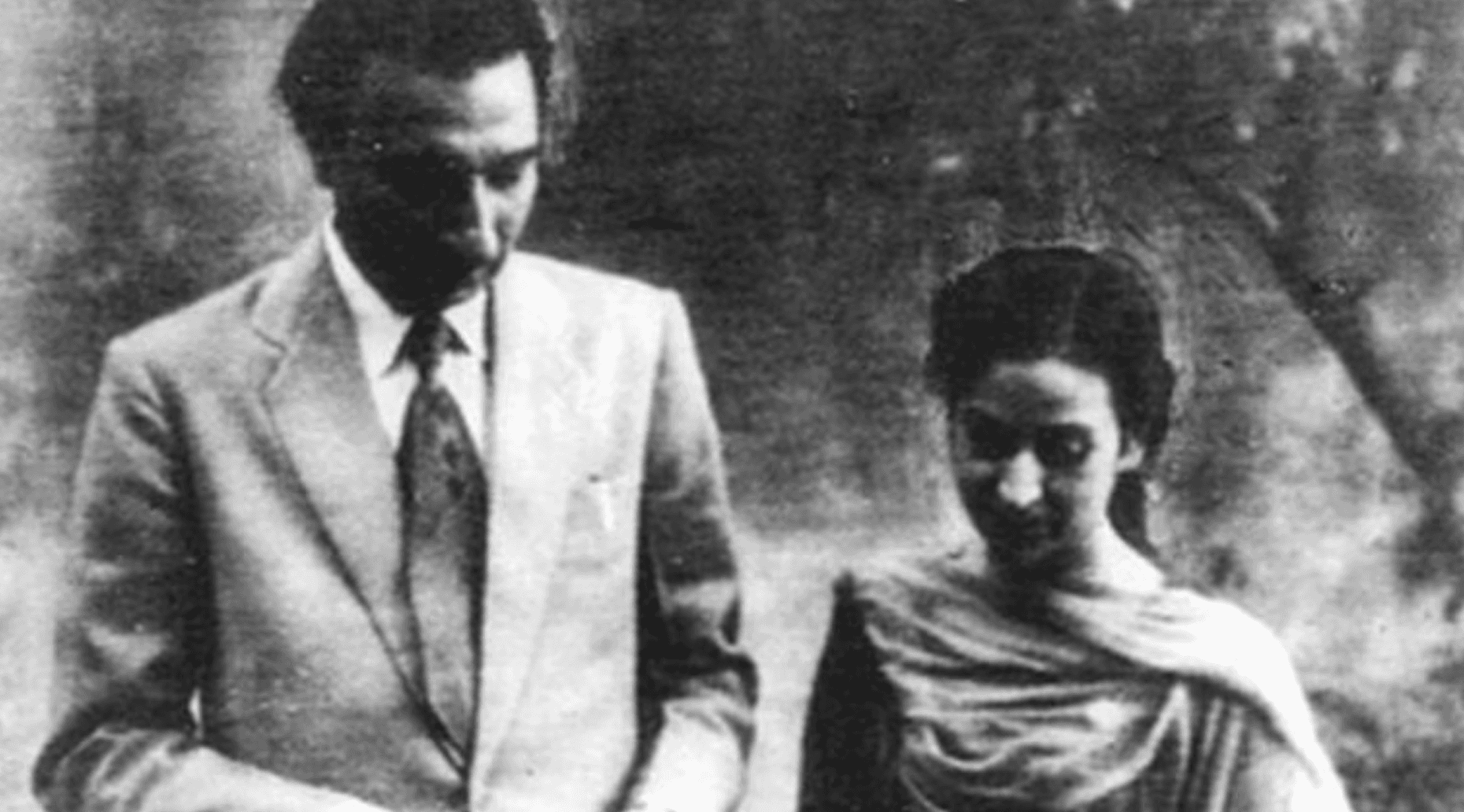
The first time Amrita Pritam saw Sahir Ludhianvi, she was already married, already a mother, already one of the most important Punjabi writers of her generation. She was twenty five. He was twenty-three. It was 1944, at a poetry gathering in a small literary colony called Preet Nagar, on the road between Lahore and Amritsar.
He read his poems. She listened. By the time he finished, the rest of her life had been decided, though she did not know that yet, and he never quite would.
What followed was forty years of a love that refused to become a thing.
They never lived together. They never married. He would come and see her sometimes. He would sit on her terrace in Delhi, or in her room, smoking, mostly silent. She would sit across from him. They would write poems at each other, around each other, about each other, for the rest of their lives.
It is hard to know what to call this. There is no clean word for a love that lives almost entirely in the imagination, sustained for decades by letters and the occasional visit. Amrita Pritam was not a poet of longing only. She was a poet of presence. She wrote about the body, about hunger, about the woman who is left behind after partition, about what a kitchen looks like when grief has moved in. She was not a delicate writer.
And yet, with Sahir, she was the patient one. She was the one who waited.
The story everyone tells is the story of the cigarette. When Sahir would visit, he would smoke. He left half-finished cigarettes in her ashtray. After he left, Amrita would take them, one by one, and smoke them down. She wrote about this herself. His lips had touched them. That was the closest she would get.
You can read that as desperation, if you want. As pathology. As a brilliant woman wasting her brilliance on a man who would not show up. People have read it that way. Indian women, especially of her generation, who grew up watching Amrita Pritam and were told to not be like her - to not pour yourself into something that won't pour back.
But you can also read it as something else. As an act of devotion that knew exactly what it was. Amrita was not unaware. She wrote about it with full lucidity. She knew Sahir would not come for her. She knew the cigarettes were a substitute for a mouth that would not arrive. She continued anyway. She decided that this much love, even unreturned, was worth keeping in her hands.
And then, there is the third person, who is the part of this story that most people skip past, because he disrupts the tragedy.
His name was Imroz. He was a painter, younger than her, and from 1965 onward, until her death in 2005, he lived with Amrita Pritam in the same house in Delhi. He cooked her meals. He painted her face for forty years. He read every word she wrote, including every word she wrote about Sahir, and he kept reading.
He understood that she carried this other person inside her, and that asking her to stop carrying him would be like asking her to stop being who she was. He chose, instead, to love the whole woman, including the part of her that loved someone else.
When Amrita was dying, Imroz kept painting her. He had been painting her for forty years and saw no reason to stop. After she died, he continued to live in their house.
Three people. Two cities. Four decades. A love that did not fit any of the names that were available to it.
Sahir was not Amrita's husband. He was not her boyfriend. He was not her secret. He was something else, and the language for that something else has not been built yet, and so we are left with the cigarette. The half-smoked thing in the ashtray, picked up by the woman who loved the mouth that left it.
When Sahir died in 1980, Amrita wrote poems for him. She wrote that she would meet him again - that some part of her would find some part of him, in some other form. She kept writing him, even after he could not read.
Sahir is gone. Amrita is gone. The cigarette outlived them both.
Every great love leaves a small object behind — a song, a poem, an unfinished letter, a cigarette unsmoked. HumansHere is for the people still leaving objects. Still meaning what they write. Still believing love is worth the language.
Let's write love. And yours is already started.
by Gowtham, for HumansHere
The first time Amrita Pritam saw Sahir Ludhianvi, she was already married, already a mother, already one of the most important Punjabi writers of her generation. She was twenty five. He was twenty-three. It was 1944, at a poetry gathering in a small literary colony called Preet Nagar, on the road between Lahore and Amritsar.
He read his poems. She listened. By the time he finished, the rest of her life had been decided, though she did not know that yet, and he never quite would.
What followed was forty years of a love that refused to become a thing.
They never lived together. They never married. He would come and see her sometimes. He would sit on her terrace in Delhi, or in her room, smoking, mostly silent. She would sit across from him. They would write poems at each other, around each other, about each other, for the rest of their lives.
It is hard to know what to call this. There is no clean word for a love that lives almost entirely in the imagination, sustained for decades by letters and the occasional visit. Amrita Pritam was not a poet of longing only. She was a poet of presence. She wrote about the body, about hunger, about the woman who is left behind after partition, about what a kitchen looks like when grief has moved in. She was not a delicate writer.
And yet, with Sahir, she was the patient one. She was the one who waited.
The story everyone tells is the story of the cigarette. When Sahir would visit, he would smoke. He left half-finished cigarettes in her ashtray. After he left, Amrita would take them, one by one, and smoke them down. She wrote about this herself. His lips had touched them. That was the closest she would get.
You can read that as desperation, if you want. As pathology. As a brilliant woman wasting her brilliance on a man who would not show up. People have read it that way. Indian women, especially of her generation, who grew up watching Amrita Pritam and were told to not be like her - to not pour yourself into something that won't pour back.
But you can also read it as something else. As an act of devotion that knew exactly what it was. Amrita was not unaware. She wrote about it with full lucidity. She knew Sahir would not come for her. She knew the cigarettes were a substitute for a mouth that would not arrive. She continued anyway. She decided that this much love, even unreturned, was worth keeping in her hands.
And then, there is the third person, who is the part of this story that most people skip past, because he disrupts the tragedy.
His name was Imroz. He was a painter, younger than her, and from 1965 onward, until her death in 2005, he lived with Amrita Pritam in the same house in Delhi. He cooked her meals. He painted her face for forty years. He read every word she wrote, including every word she wrote about Sahir, and he kept reading.
He understood that she carried this other person inside her, and that asking her to stop carrying him would be like asking her to stop being who she was. He chose, instead, to love the whole woman, including the part of her that loved someone else.
When Amrita was dying, Imroz kept painting her. He had been painting her for forty years and saw no reason to stop. After she died, he continued to live in their house.
Three people. Two cities. Four decades. A love that did not fit any of the names that were available to it.
Sahir was not Amrita's husband. He was not her boyfriend. He was not her secret. He was something else, and the language for that something else has not been built yet, and so we are left with the cigarette. The half-smoked thing in the ashtray, picked up by the woman who loved the mouth that left it.
When Sahir died in 1980, Amrita wrote poems for him. She wrote that she would meet him again - that some part of her would find some part of him, in some other form. She kept writing him, even after he could not read.
Sahir is gone. Amrita is gone. The cigarette outlived them both.
Every great love leaves a small object behind — a song, a poem, an unfinished letter, a cigarette unsmoked. HumansHere is for the people still leaving objects. Still meaning what they write. Still believing love is worth the language.
Let's write love. And yours is already started.
by Gowtham, for HumansHere